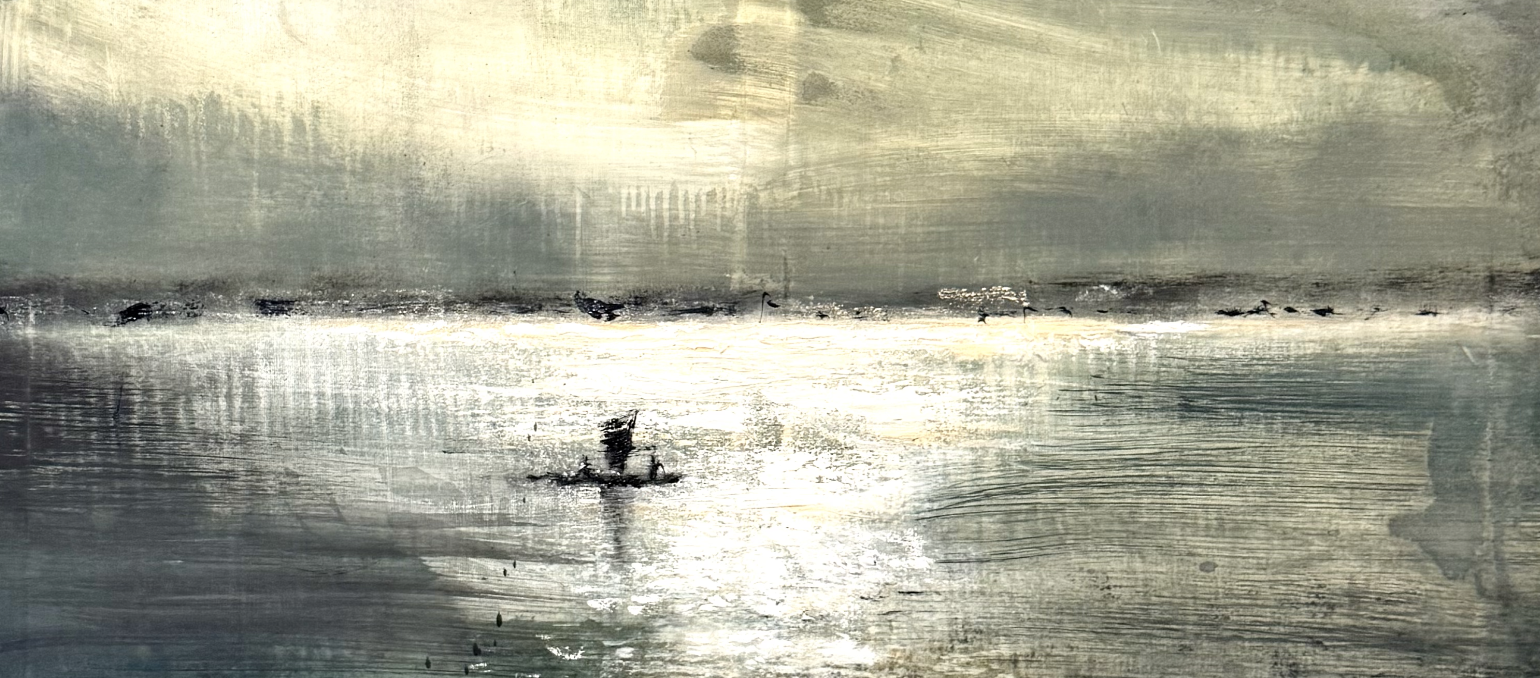

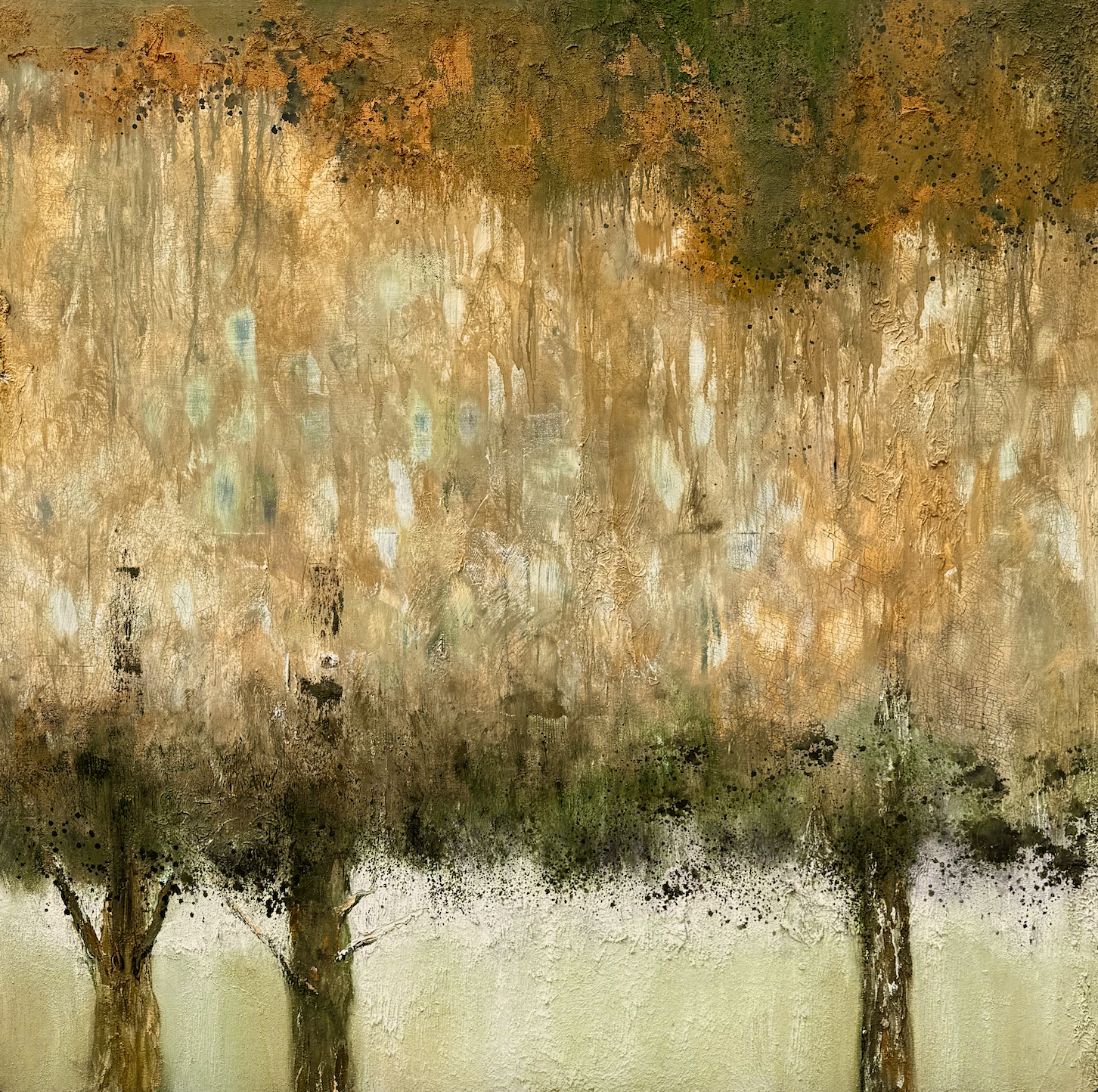
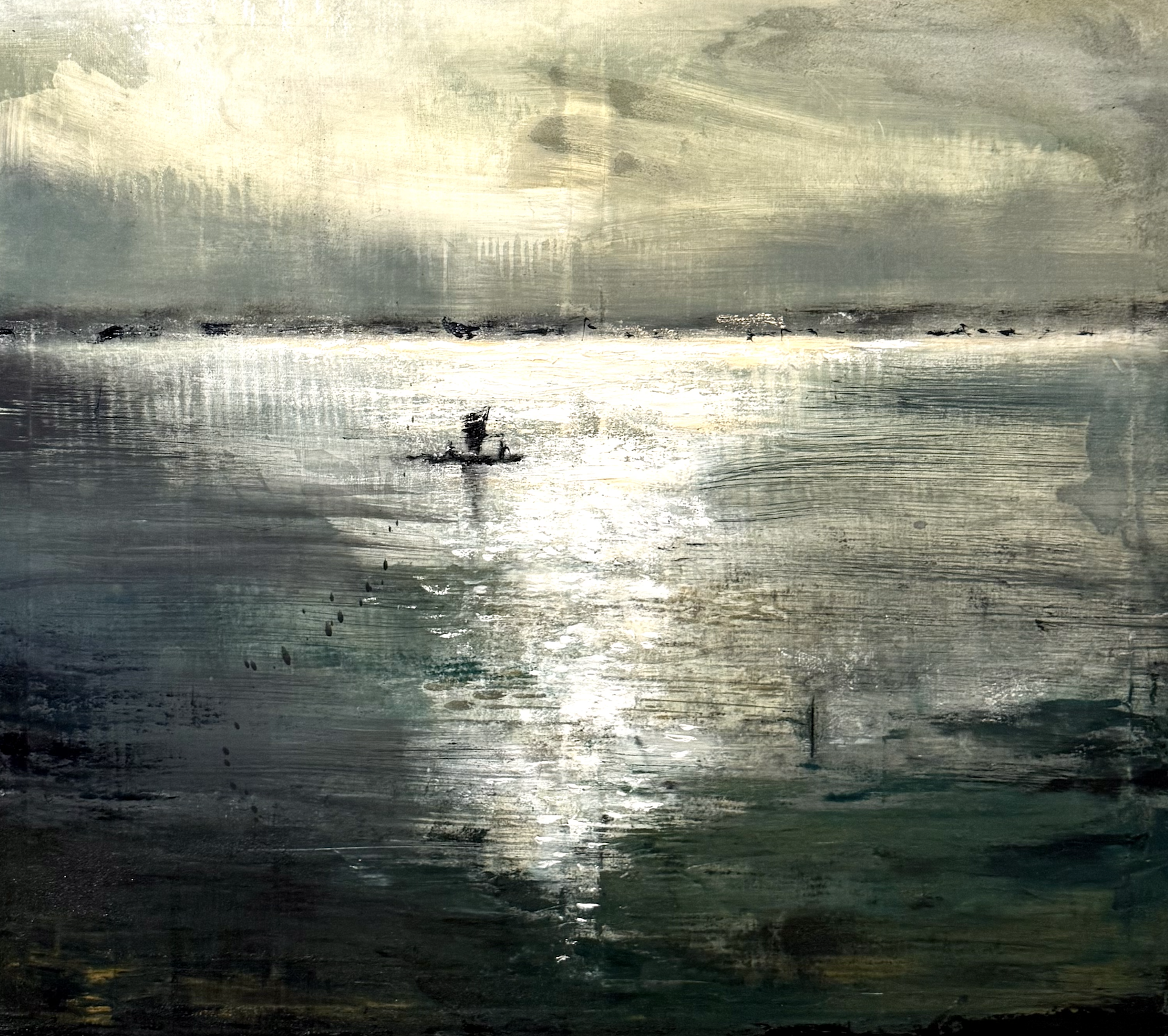
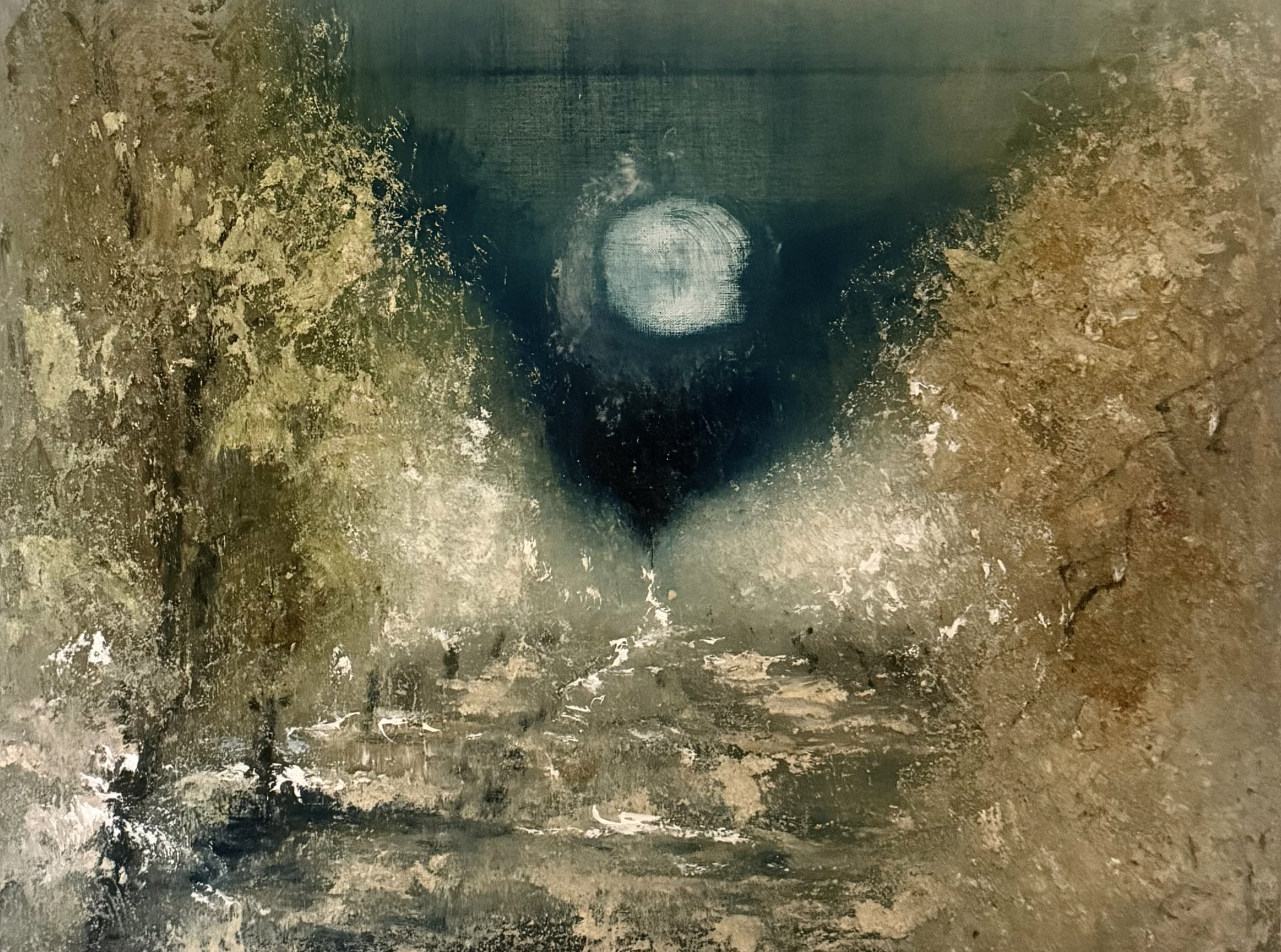
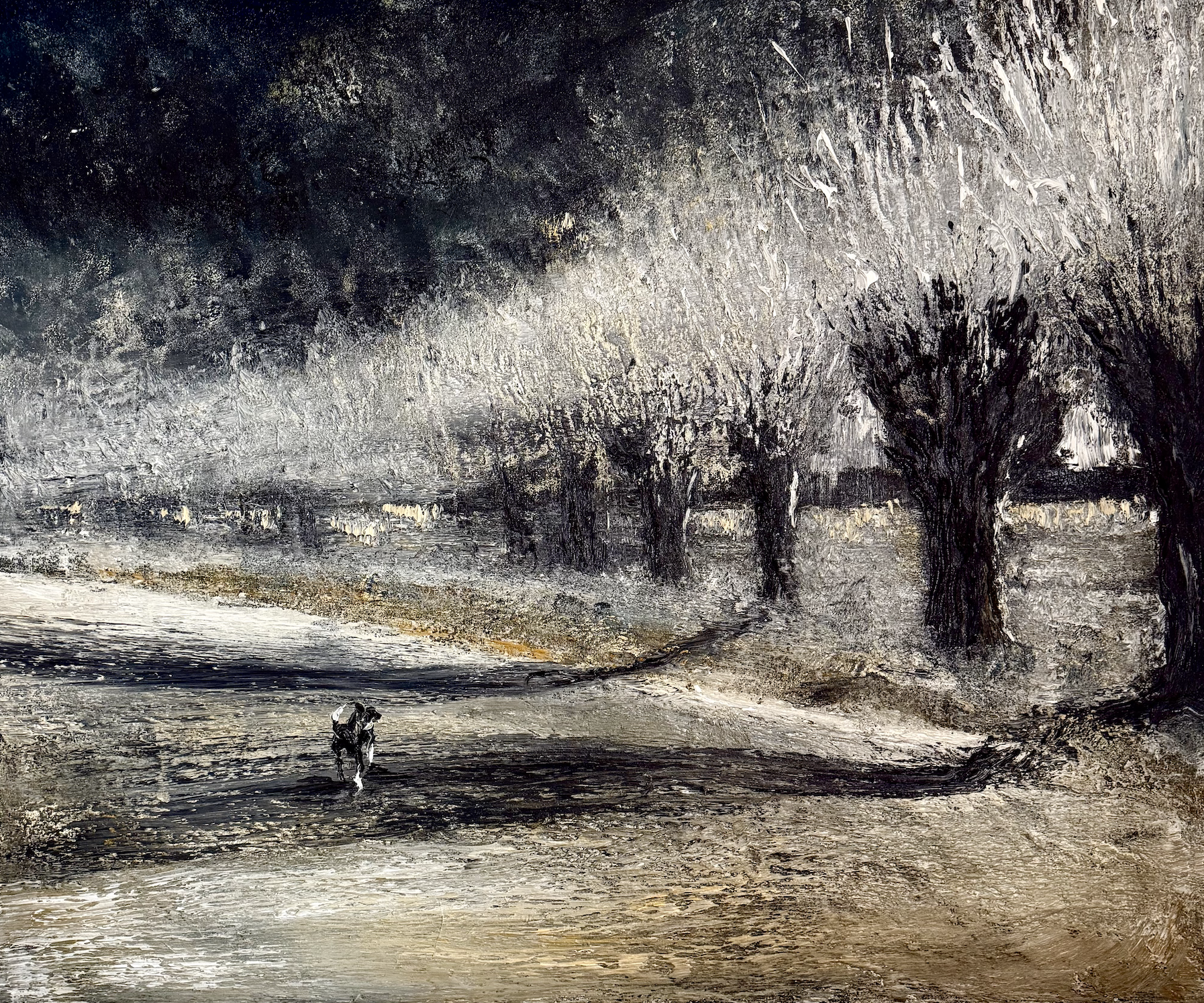
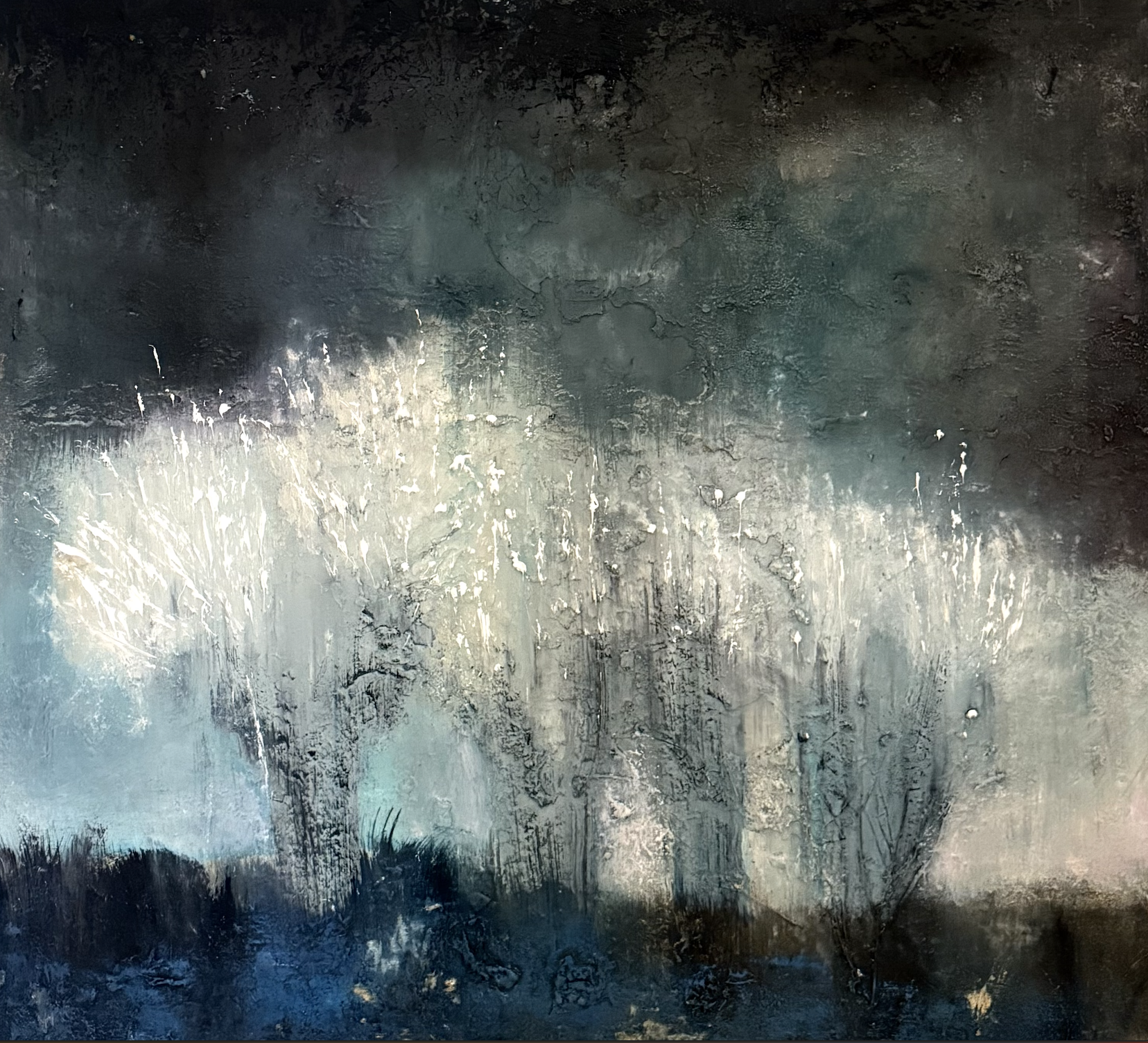
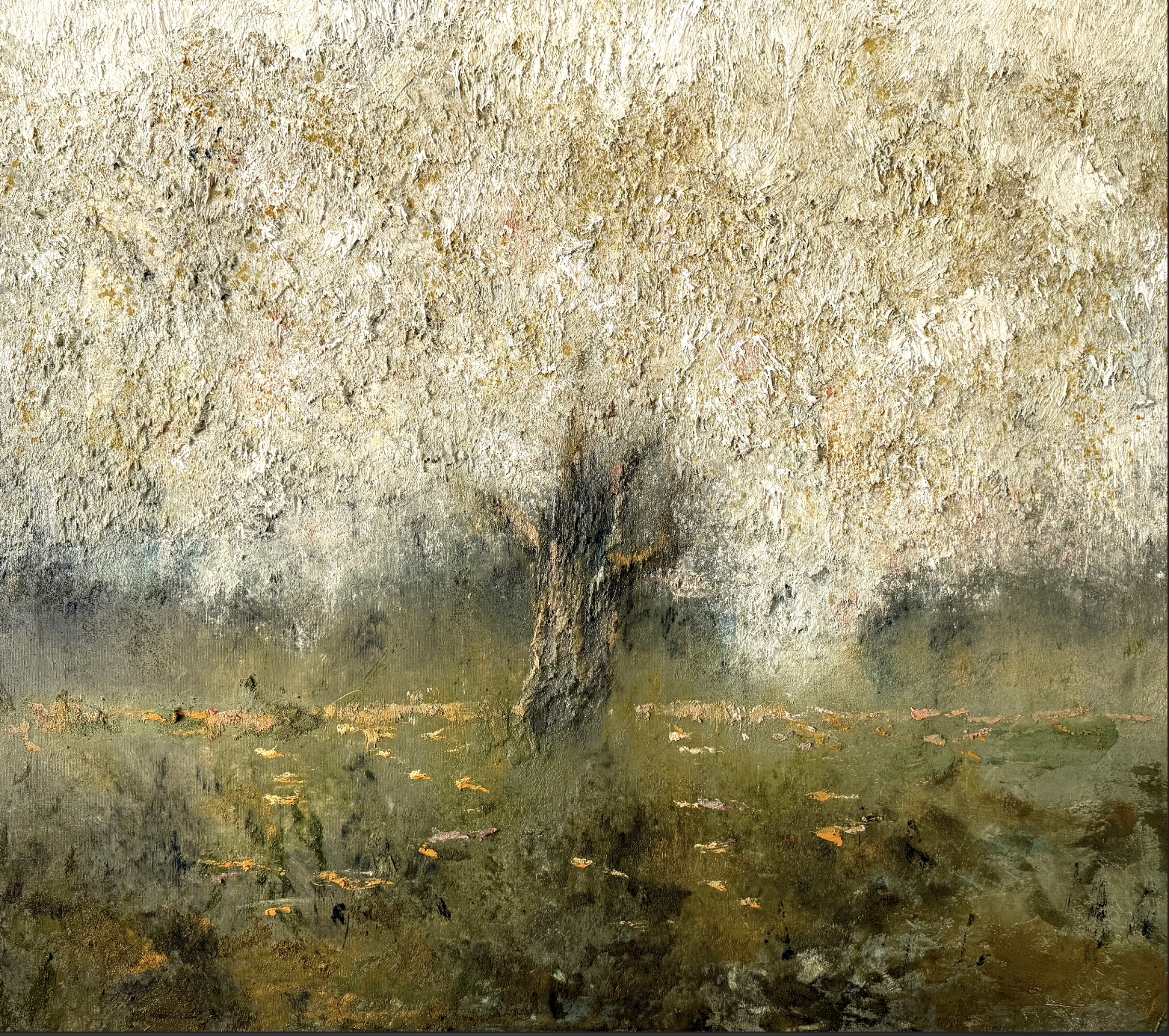
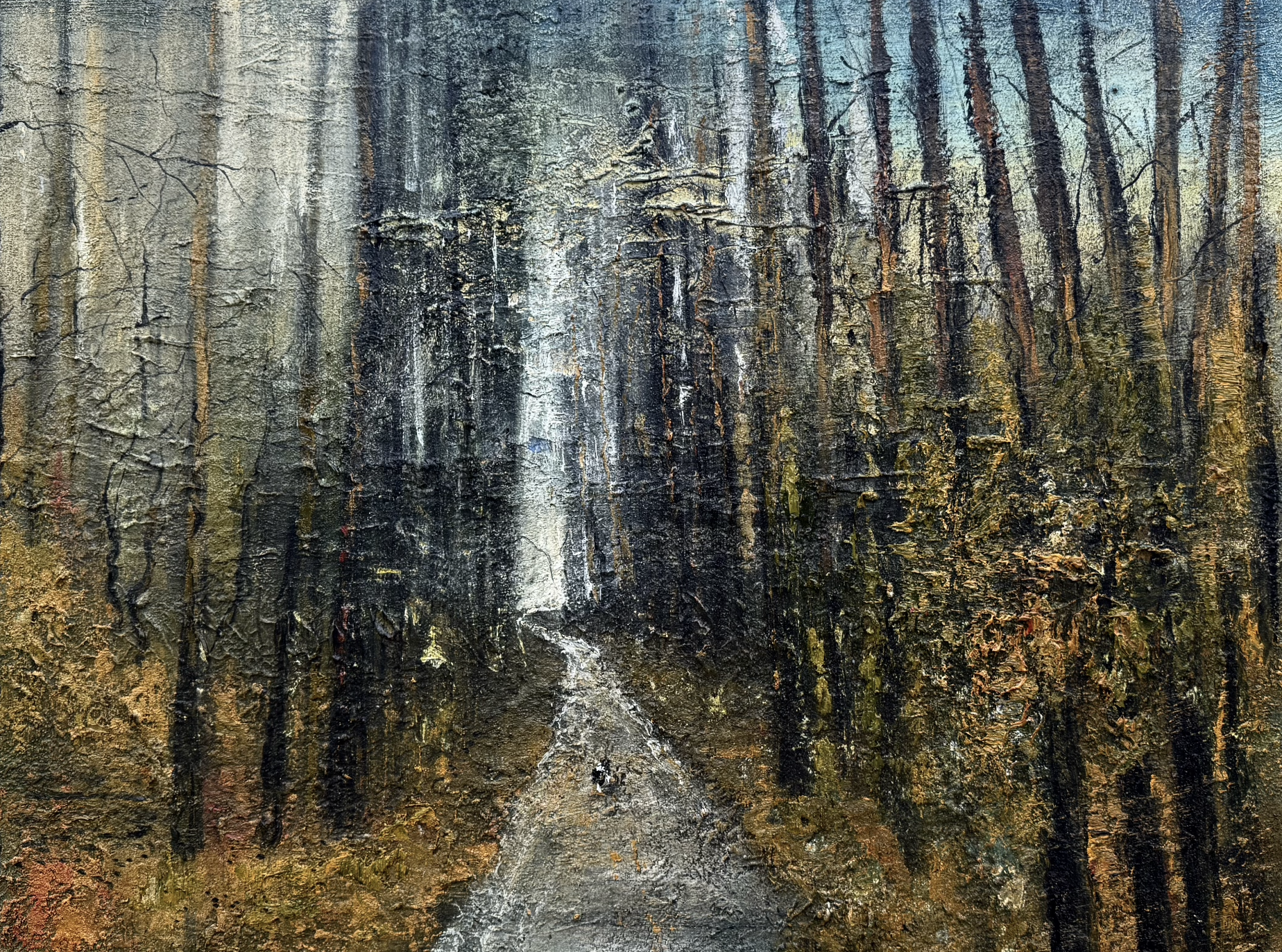
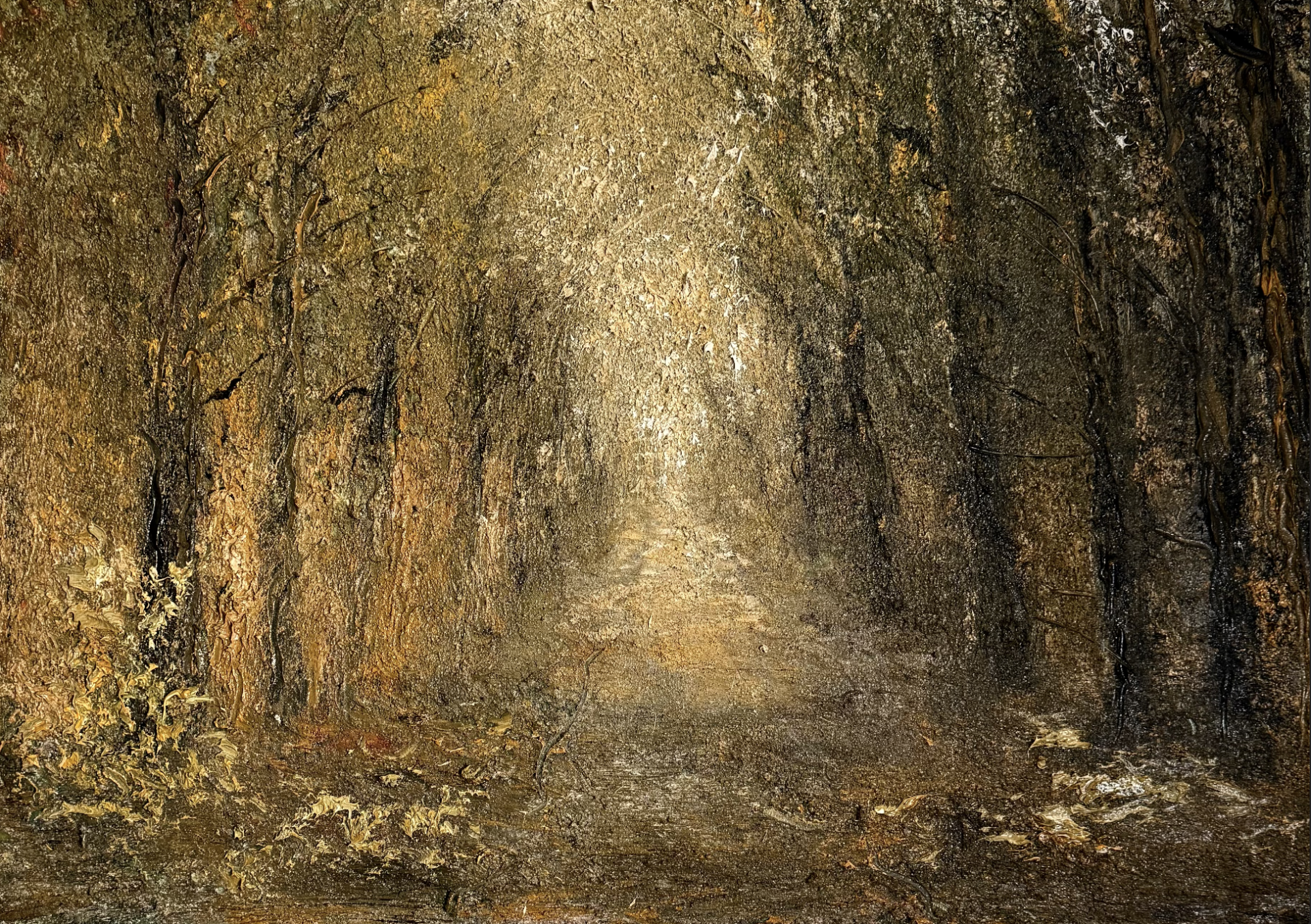
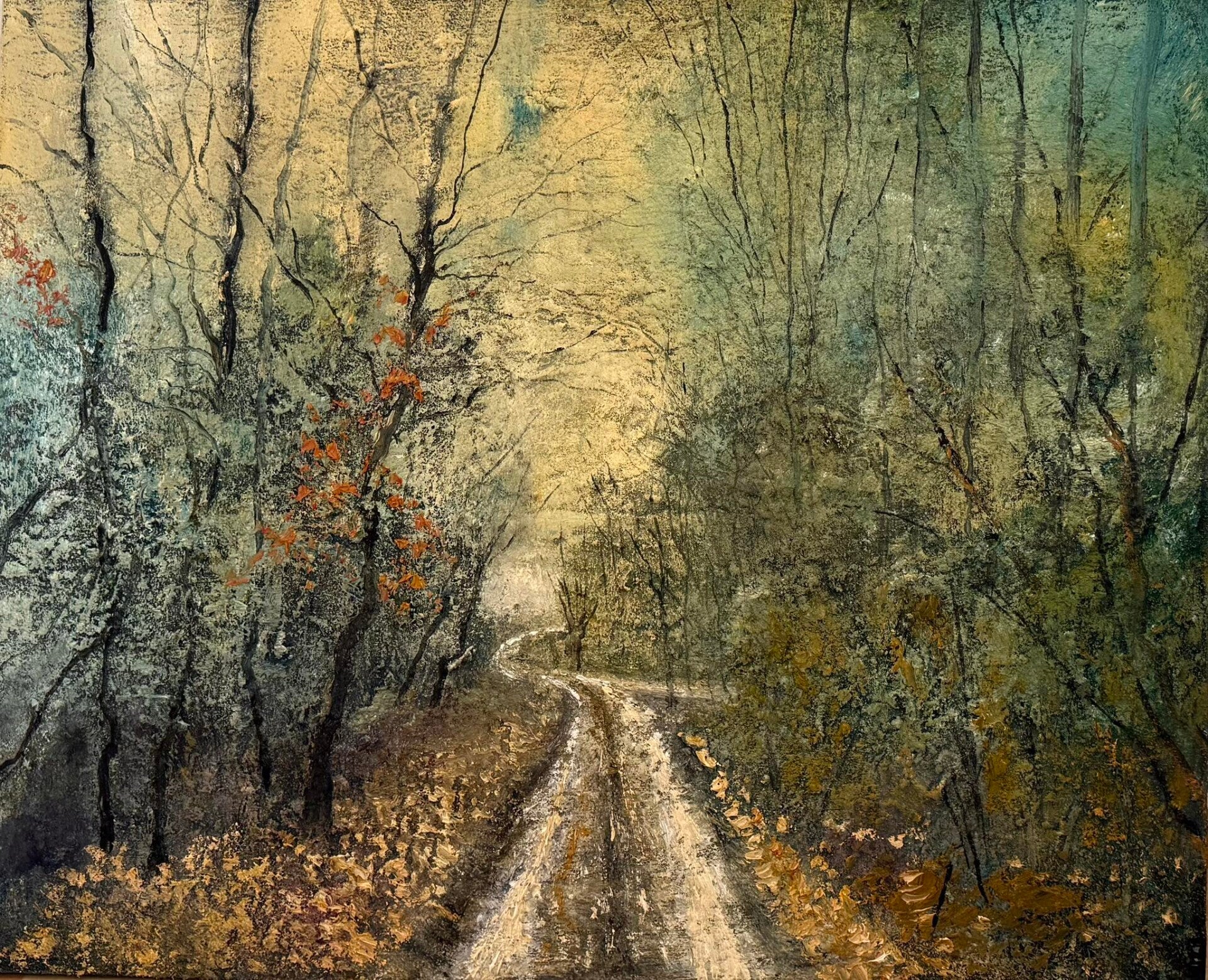
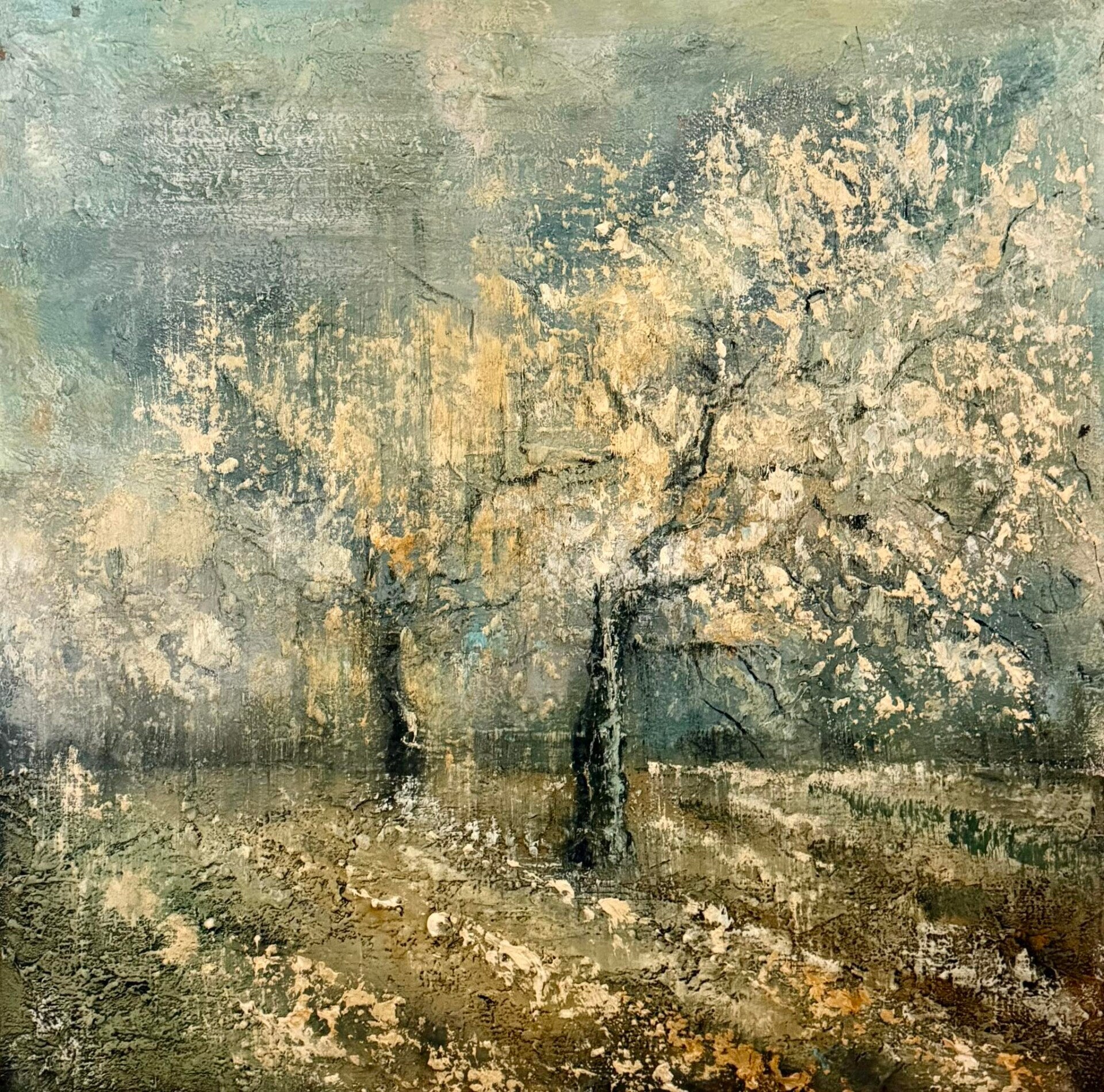
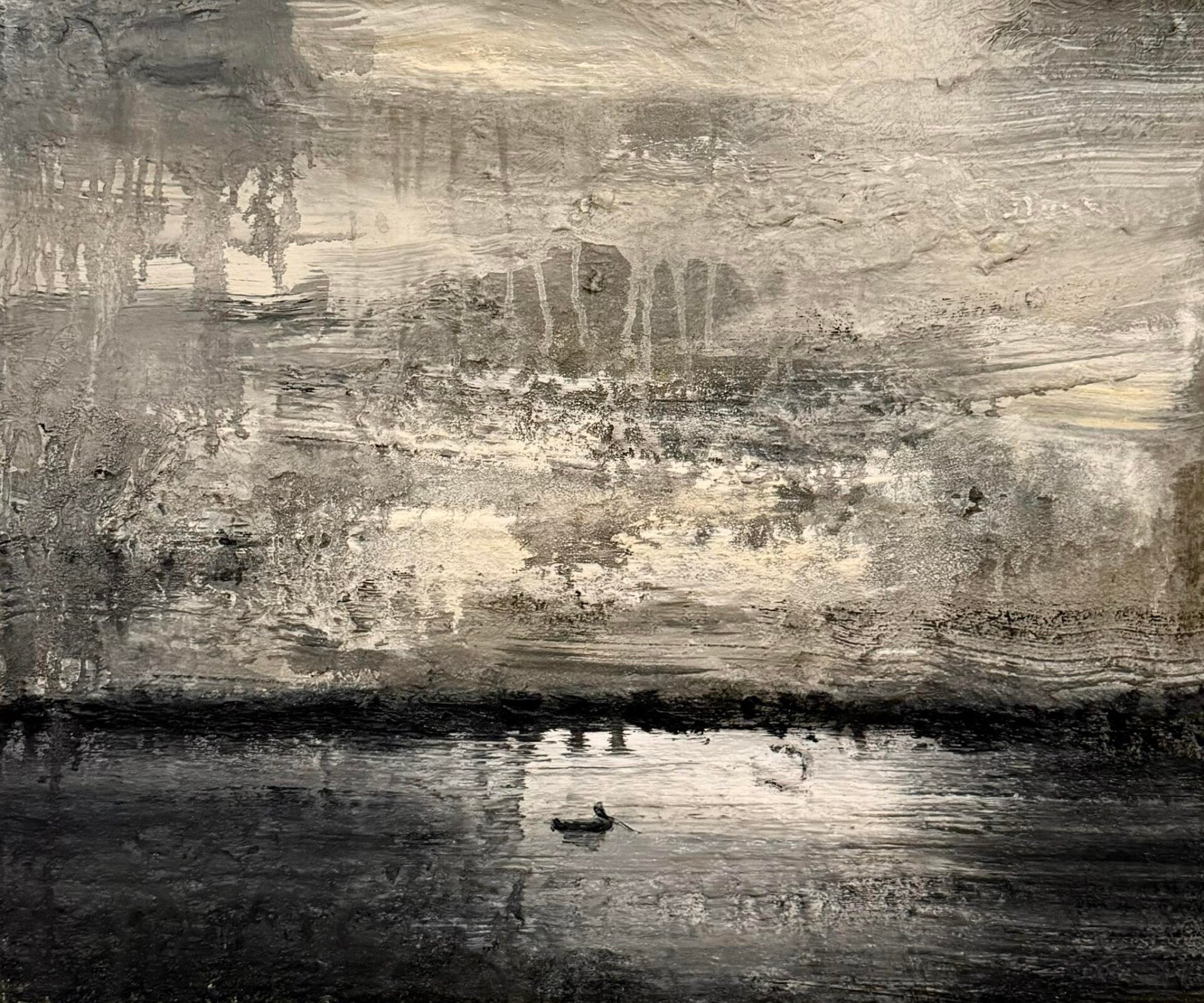
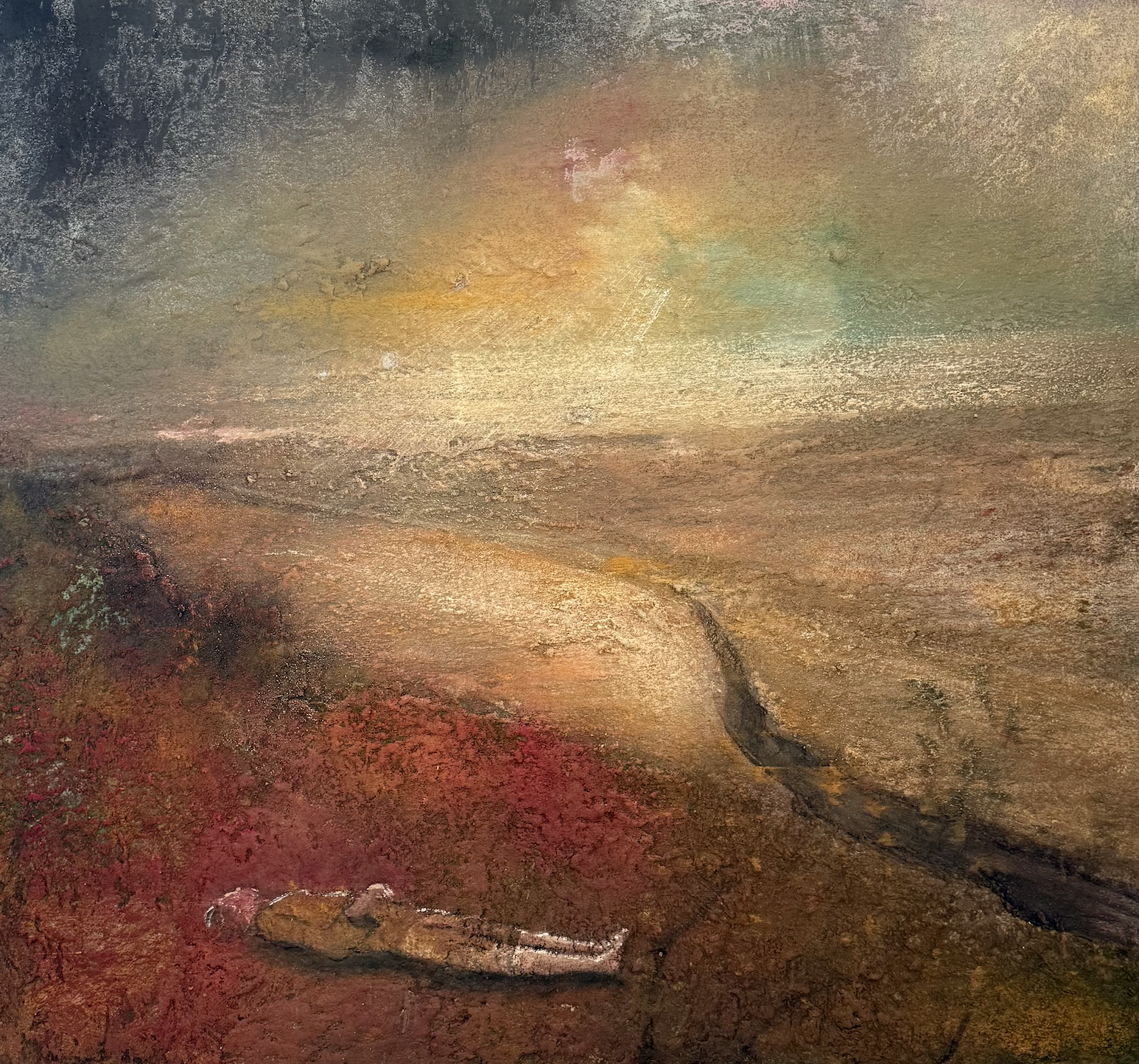
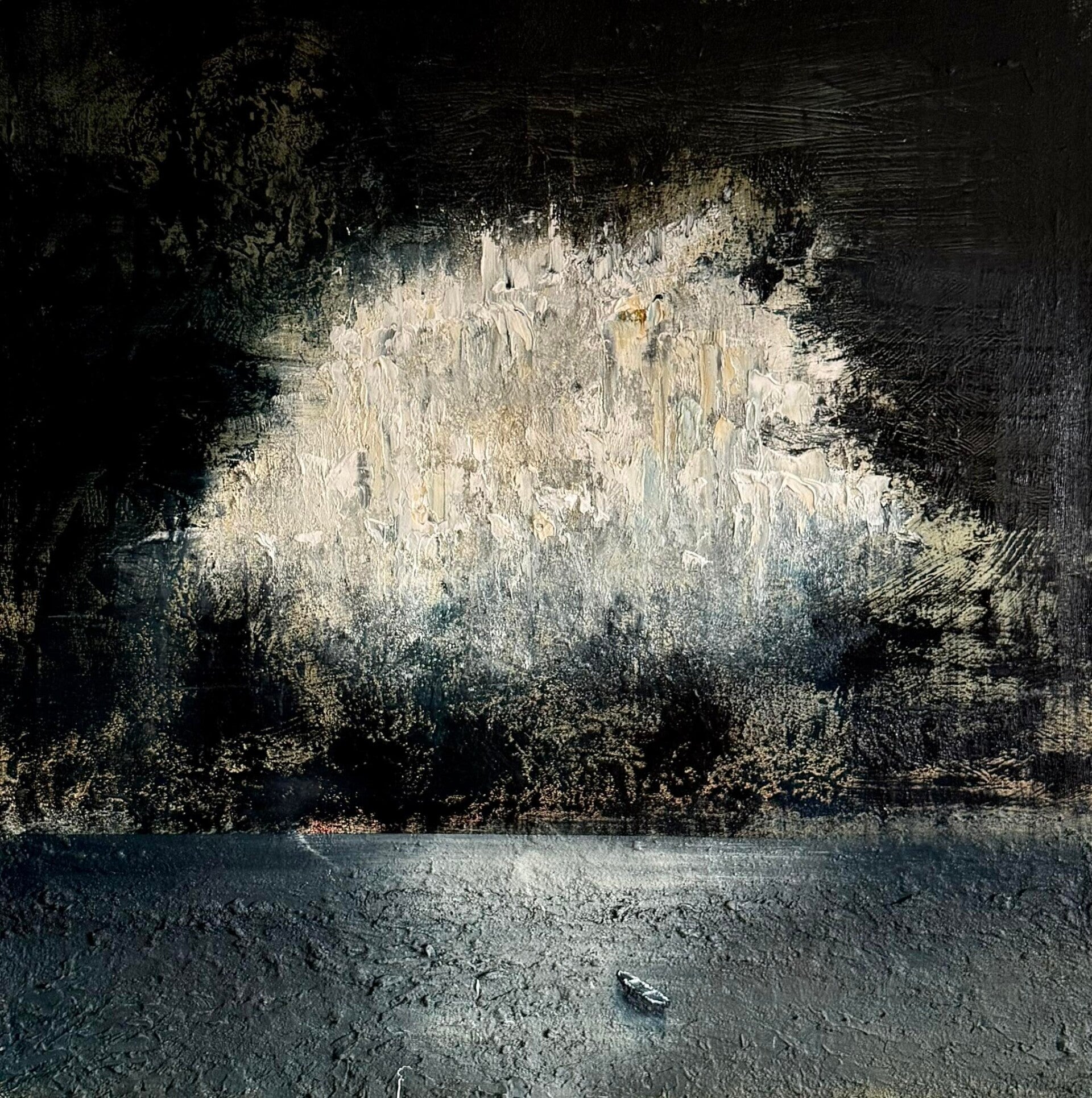
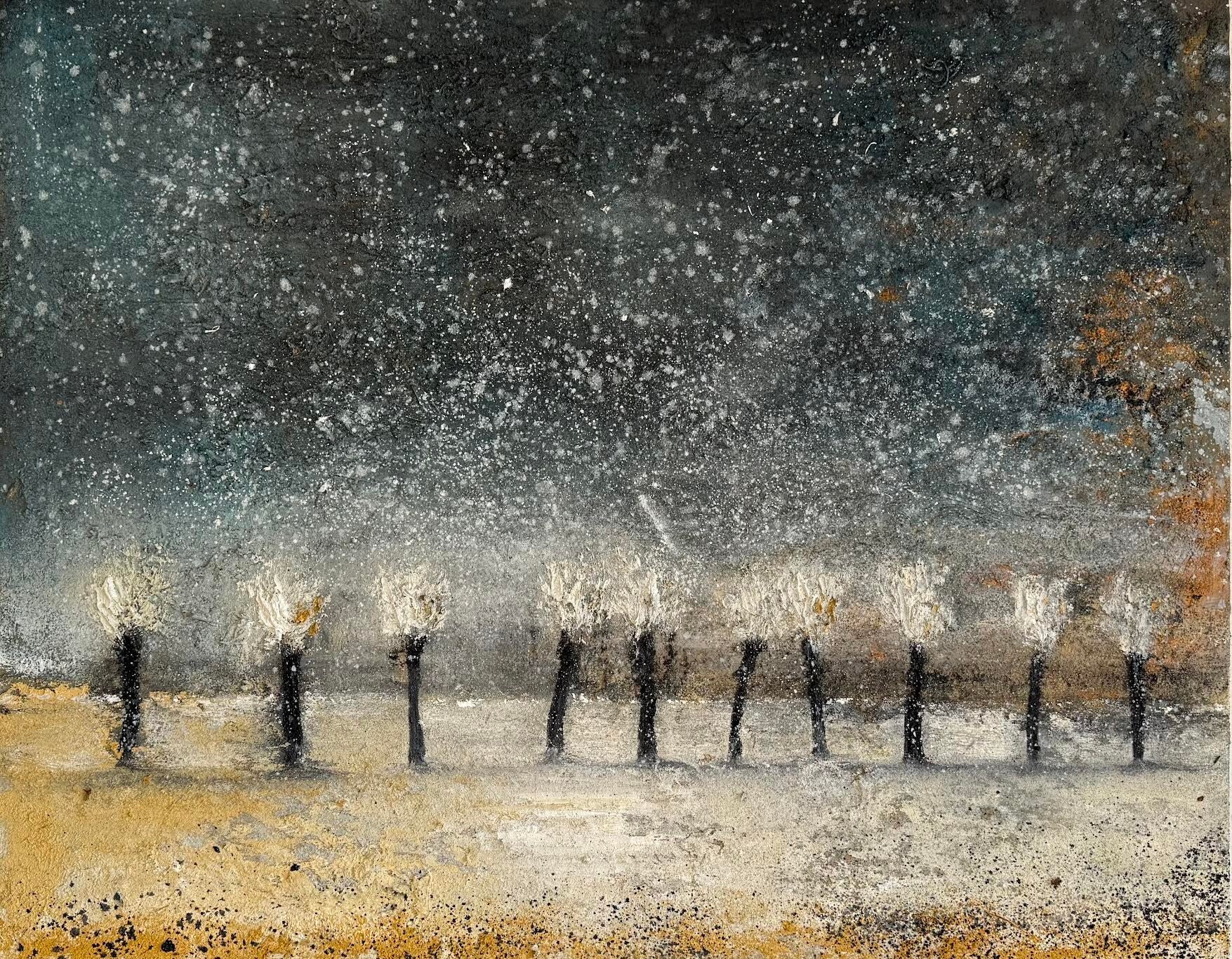
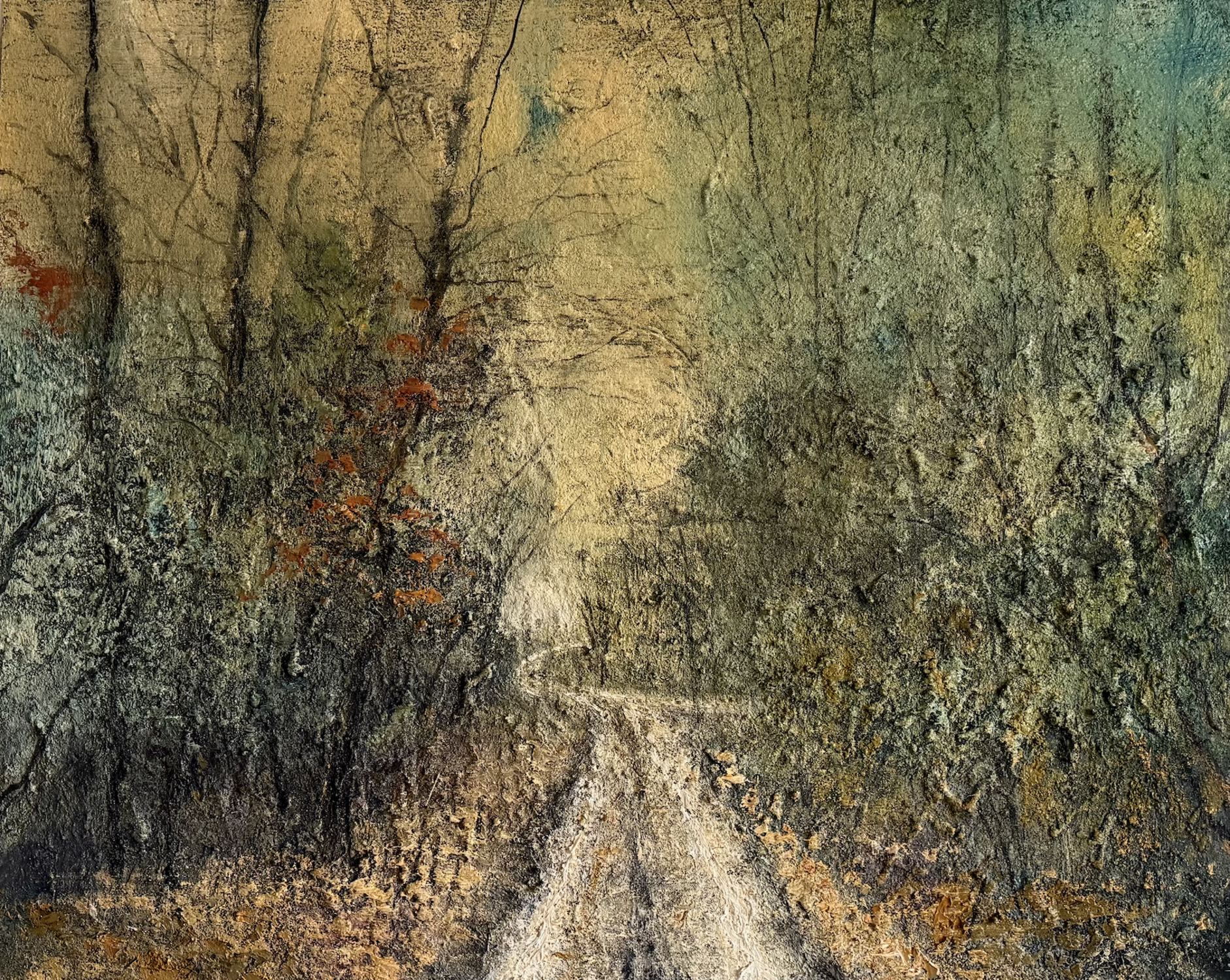
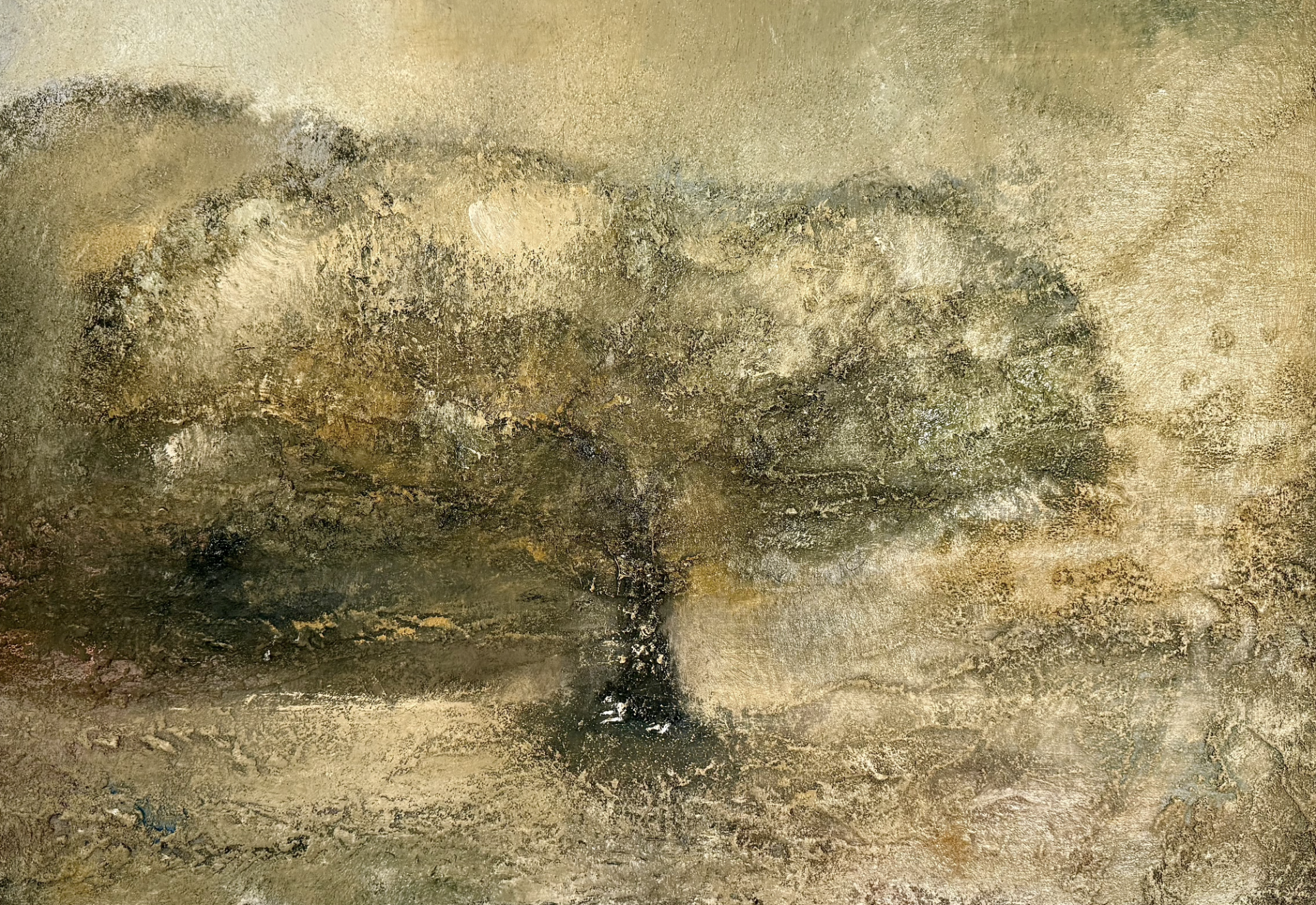
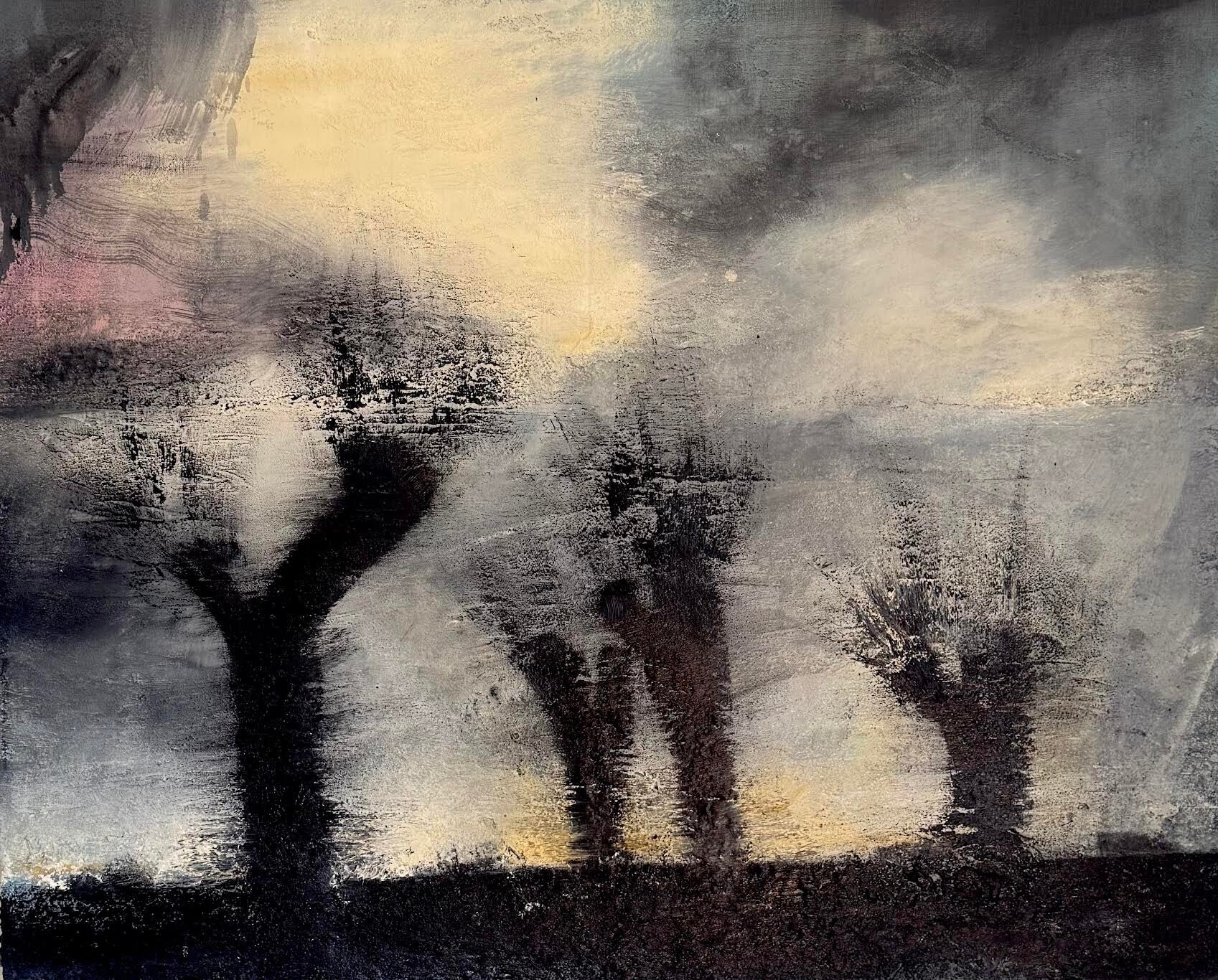
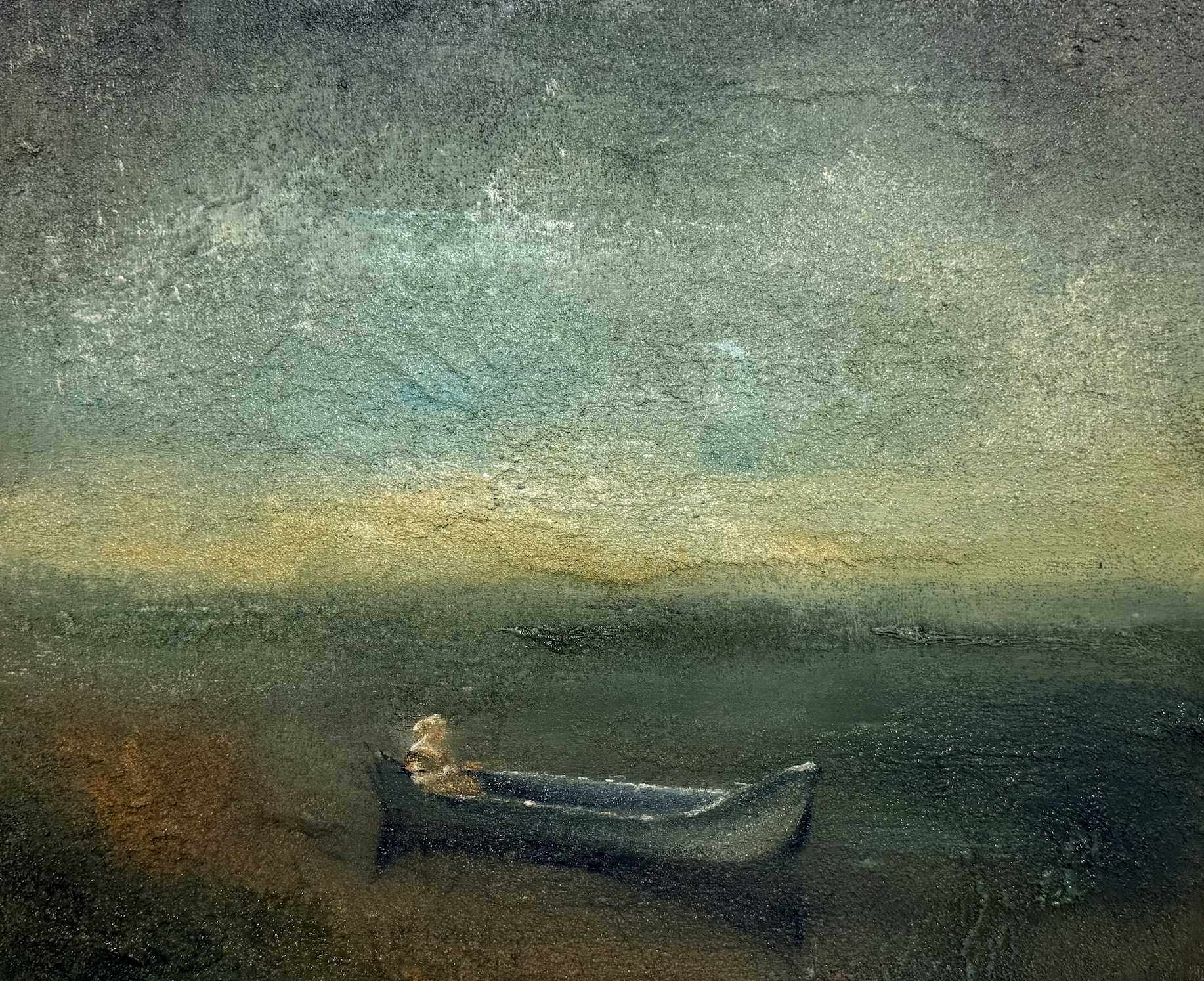
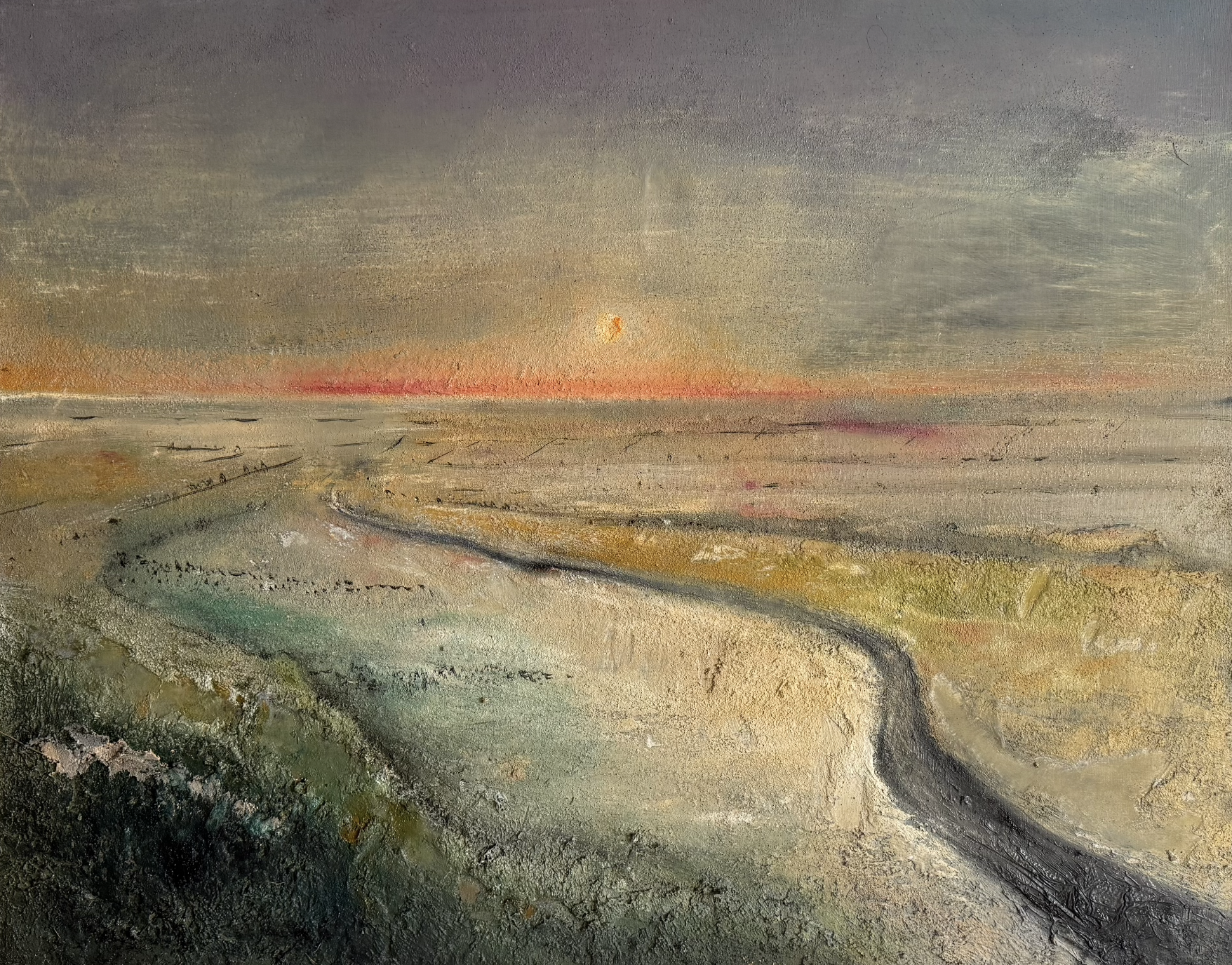
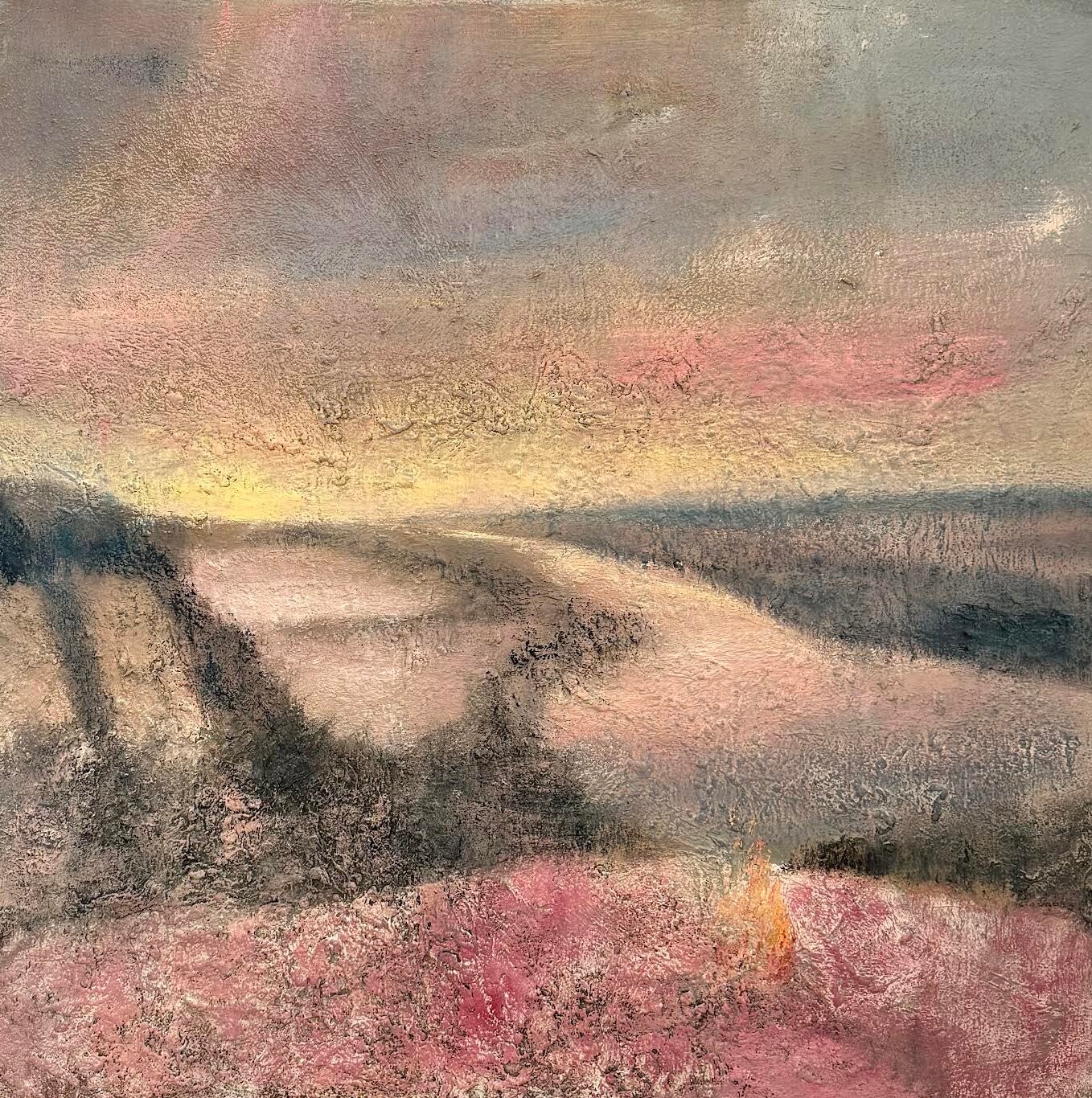
Kuba Turczyński’s work emerges directly from an experience of landscape — not as a view, but as a lived and internally processed space. The landscape in which he is rooted becomes both the starting point and the impulse for constructing painterly compositions, where reality gradually gives way to emotion, memory, and reflection.
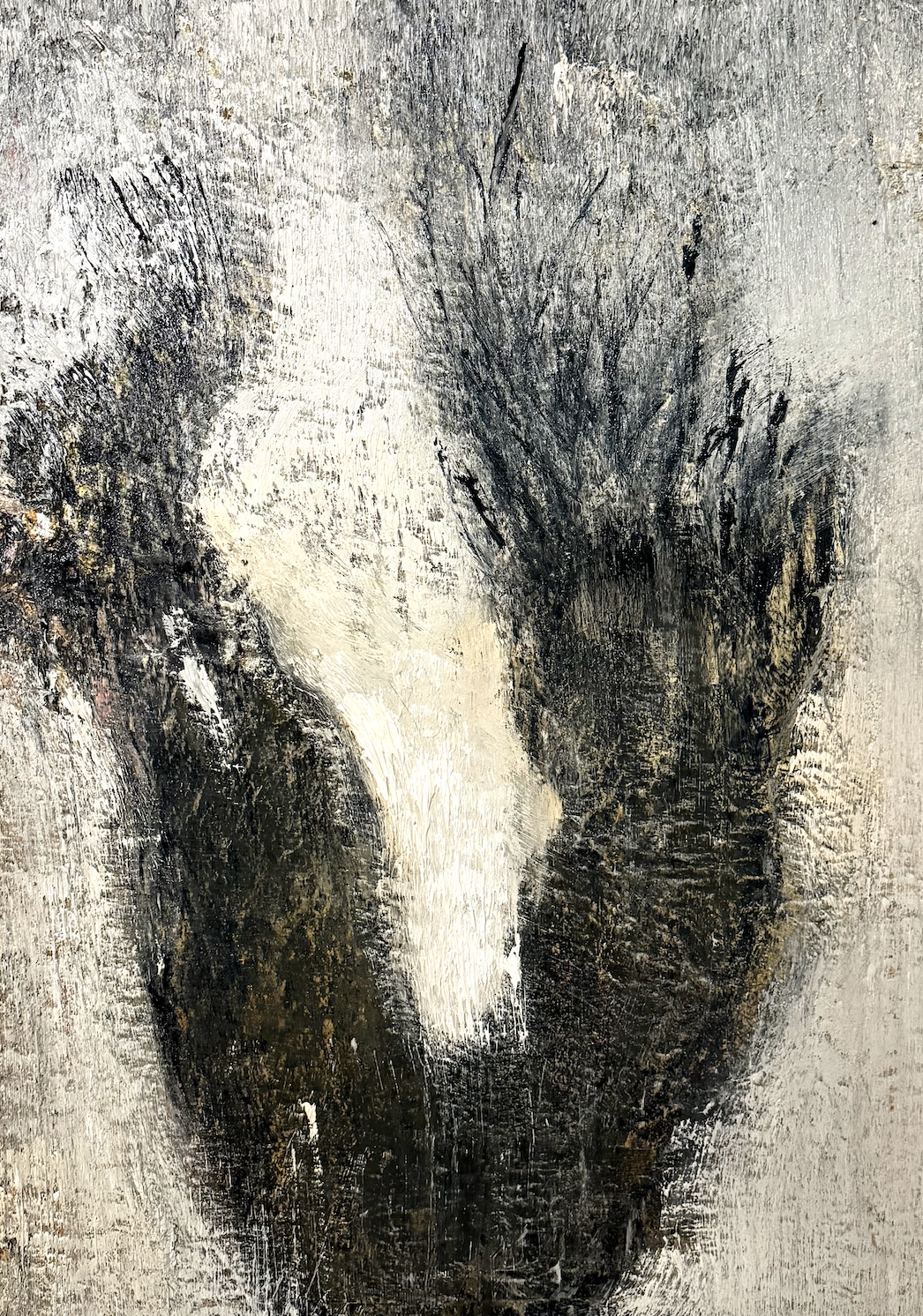
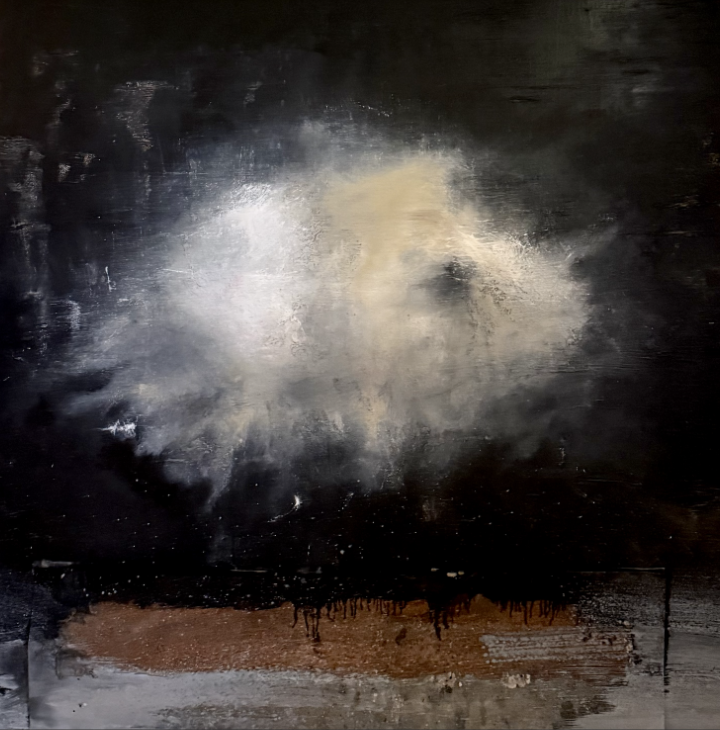
He is not interested in landscape as a descriptive image. Instead, he treats it as a medium — a space in which psychological and emotional states can unfold. The painting becomes not so much a representation as a record of tension between the external and the internal. Landscape functions as a mirror, reflecting individual experiences — silence, unease, concentration, or a sense of transience.
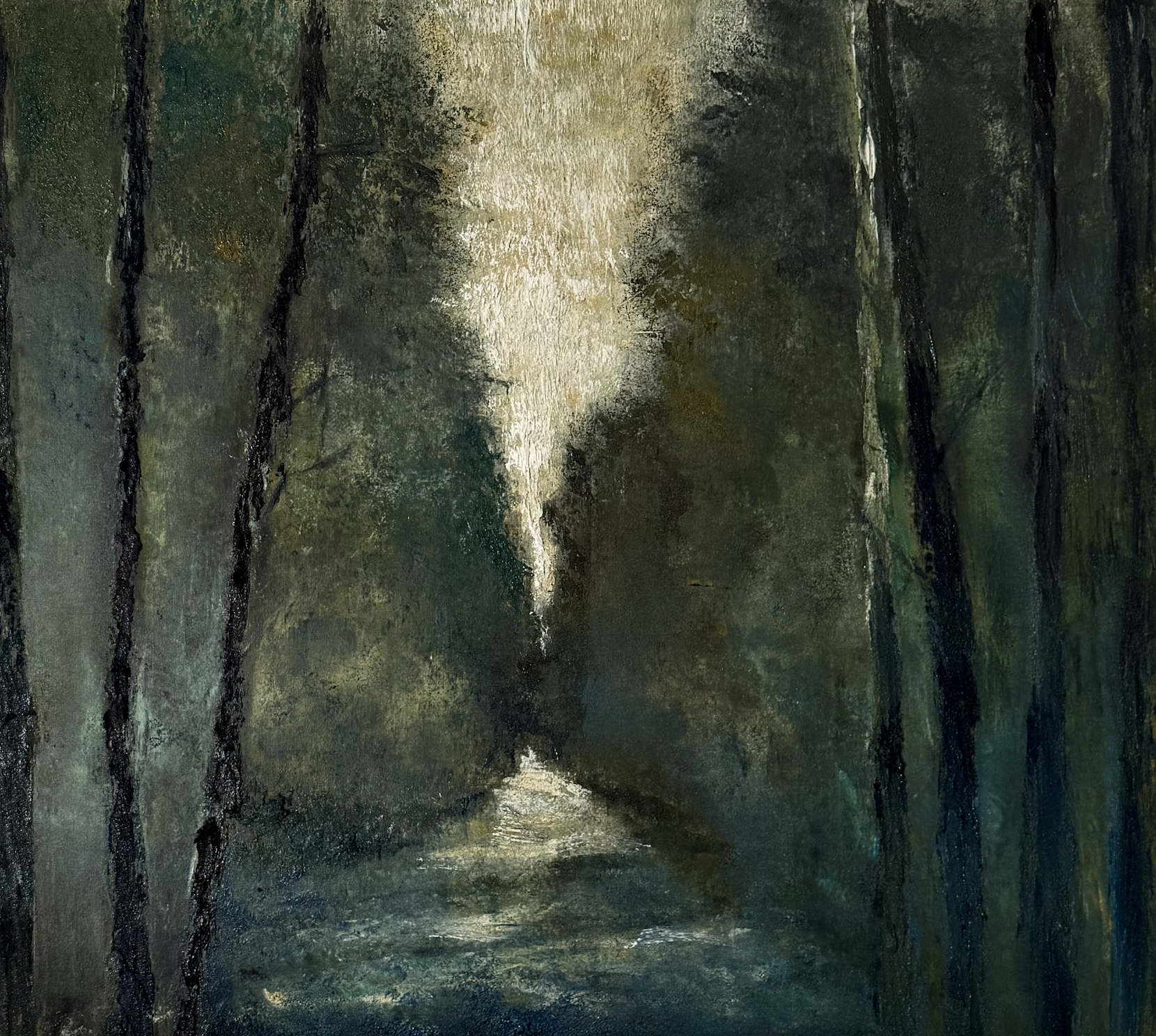
At the same time, it remains a field for building broader meanings. In certain contexts, it becomes a carrier of social content — for example, when traces of human presence encountered in a forest, such as clothes left behind by refugees, transform into symbols of contemporary tensions and unrest. In such moments, the work moves beyond personal experience and engages with shared reality.
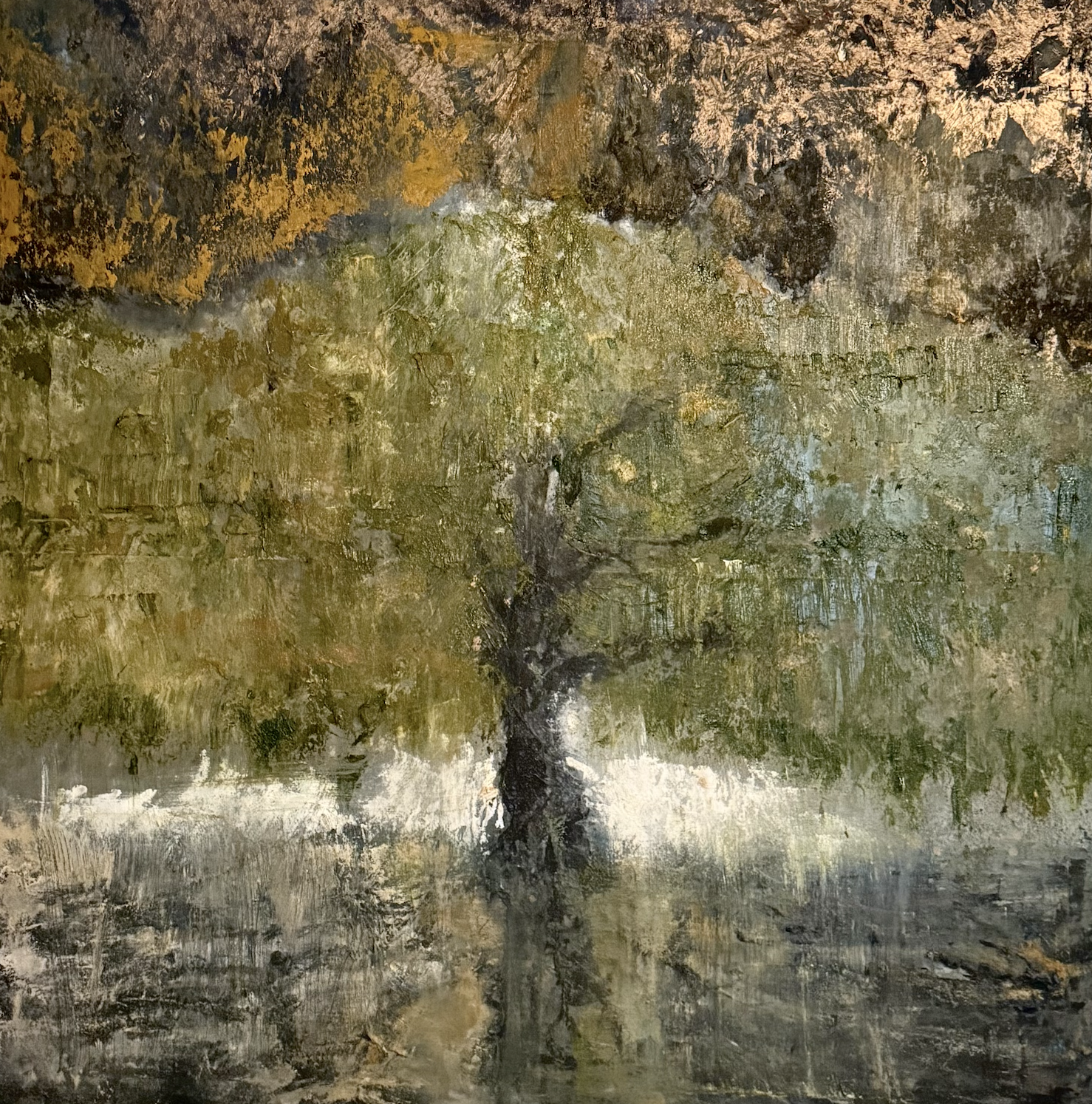
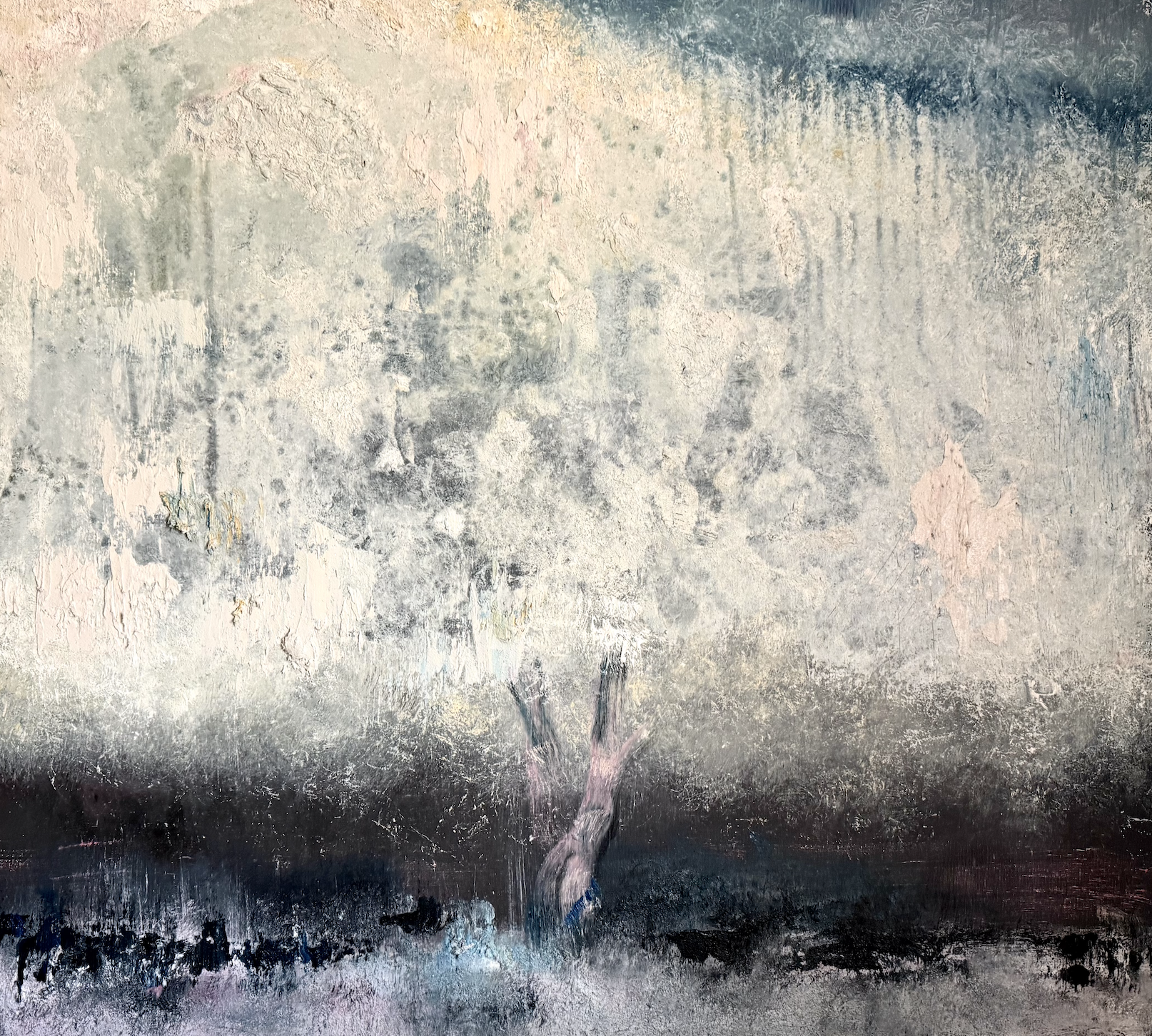
An essential element of his practice is the materiality of the painting — its structure, weight, and physical presence. The painterly surface does not serve a purely aesthetic function; it becomes an equal means of expression, co-creating meaning. He is interested in the tension between form and its dissolution, between presence and disappearance — the moment when the image balances on the edge of recognizability.
His work is a process of reduction and condensation — a movement away from literal depiction toward essence. The landscape remains the point of departure, but ultimately becomes an inner space — a record of experience that resists a single, closed interpretation.





EHIBITION


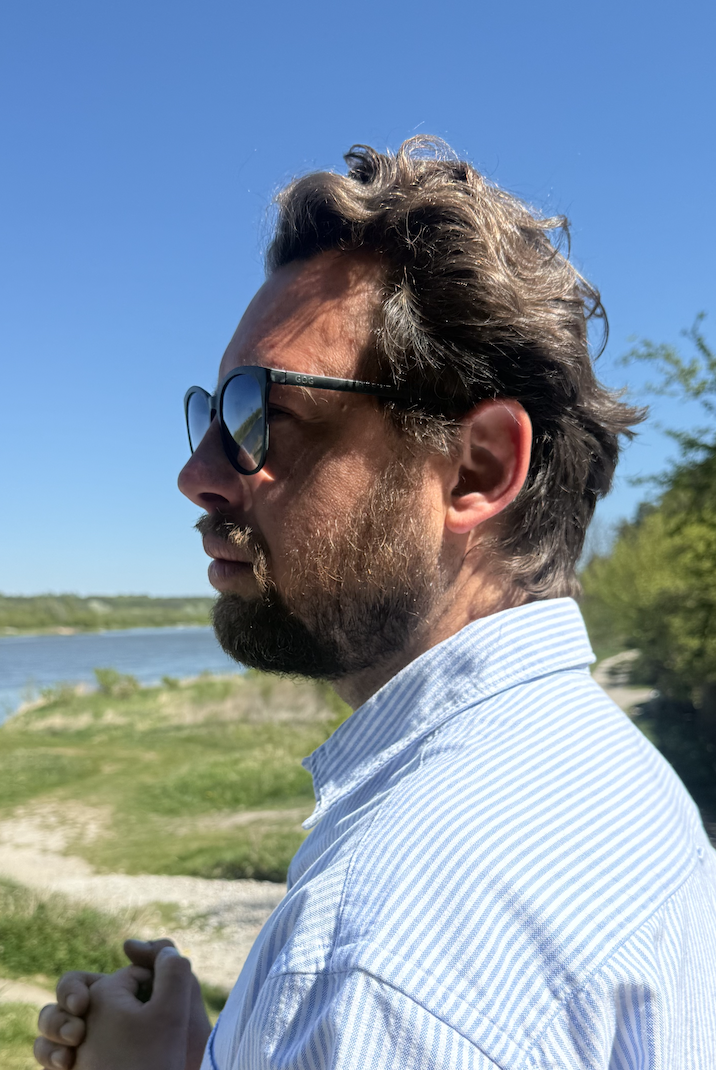
A visual artist whose practice emerges from a deep engagement with materiality and a strong connection to landscape as a point of departure for painterly exploration.
He began his artistic education in 2005 at the Fine Arts High School in Lublin, specializing in woodcarving (relief sculpture). Early contact with material and the physicality of the medium shaped his later approach to painting as a process grounded in structure, texture, and the weight of the image. During this period, he won the Cyprian Kamil Norwid Painting Competition and was awarded a scholarship from the City of Lublin for exceptionally talented individuals.
From 2010 to 2015, he studied at the Academy of Fine Arts in Warsaw, Faculty of Graphic Arts, where he joined the Illustration Studio. At the same time, he developed his painting practice in the Painting Studio at the Faculty of Painting, consistently expanding his visual language through the exploration of color, surface, and spatial depth. During his studies, he received a scholarship from the Ministry of Culture and Art. He graduated with distinction in 2015.
Following his graduation, he focused on painting, developing an authorial practice rooted in a dialogue with landscape—understood not as a depiction of a view, but as a field of emotional tension, memory, and experience. His works have been presented primarily in solo exhibitions, through which he continues to build a cohesive and recognizable visual language.
